
ROASTING & FRESHNESS
A good cup begins before the brew.
Roast profile, preparation and storage all shape the coffee in your cup. Here is how to choose, brew and care for your coffee at home.
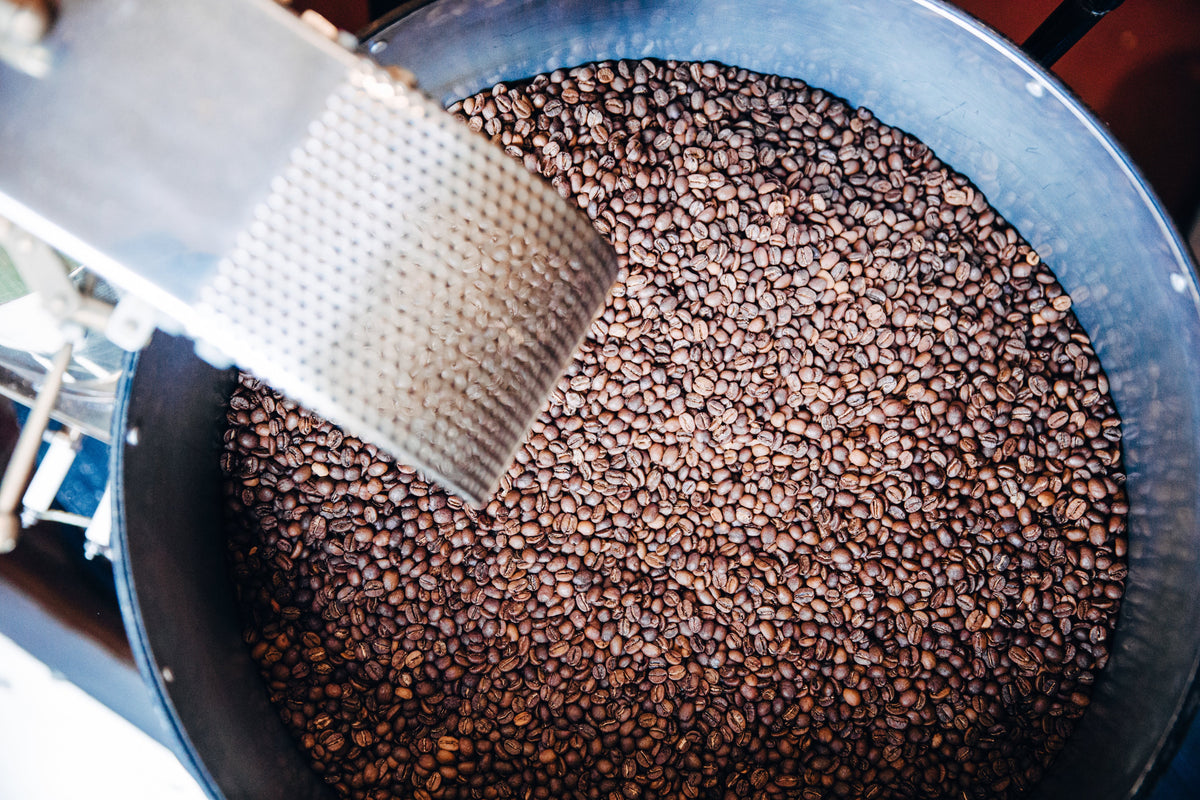
FROM ORDER TO ROAST
Roasted to order.
Prepared with care.
Our whole-bean and ground coffees are roasted to order. Please allow 3–5 business days for preparation before dispatch. Weekends and holidays do not count as business days, and busy periods can take longer.
The profile follows the coffee: a medium body describes mouthfeel, while a medium roast describes the roast level.
Preparation and carrier pickup are separate steps. Follow your tracking link for carrier updates after dispatch.
AFTER PREPARATION
Then comes
the journey to you.
Carrier delivery is a separate stage, typically 1–5 business days after pickup for domestic shipments. Preparation and transit times are estimates, not guaranteed delivery dates.
A tracking number can be created while your order is still being prepared. “Label created” or “pre-shipment” means the carrier may not yet have your parcel; tracking progresses when it is received and scanned.
BEFORE THE ROAST
The origin matters.
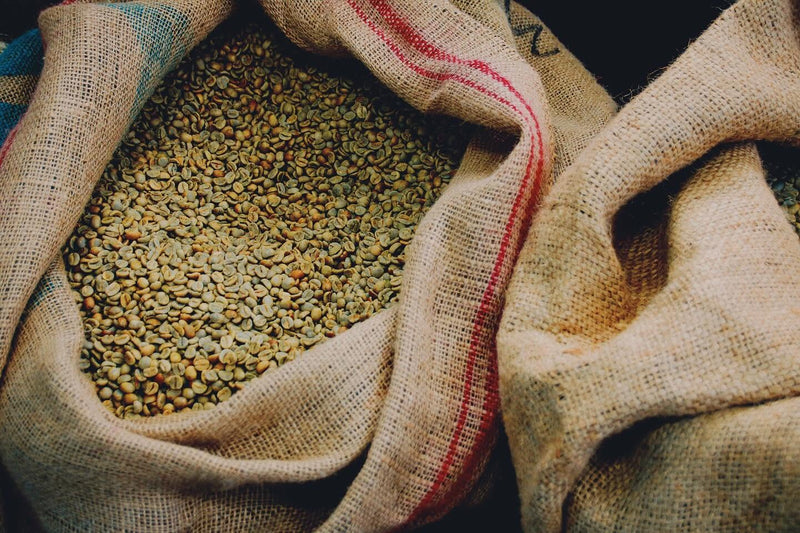
Grower, variety, region, growing altitude, soil and processing describe the coffee before roasting. Growing altitude is measured in metres above sea level; it is not the location or temperature of roasting.
These details sit alongside the roast profile, tasting notes and ingredients on the product page, so you can understand both where a coffee comes from and what to expect in your cup.
FRESHNESS AT HOME
A little care.
A better daily cup.
There is no single peak-flavor window for every coffee. Roast level, grind, storage and brewing method all affect how a cup develops. Taste your coffee as it rests and adjust your recipe to what you enjoy.
Keep coffee airtight in a cool, dry, dark place. Buy quantities you will use regularly and, when choosing whole bean, grind just before brewing.
Tea, instant coffee and merchandise are prepared differently from our roasted-to-order whole-bean and ground coffees. Follow each product’s own preparation and storage guidance.
Read the roast
Each coffee has its own profile. Check the stated roast level and tasting description rather than assuming that every origin or blend is roasted alike.
Keep it well
Reseal your coffee after use and store it in a cool, dry place, away from heat, moisture and direct sunlight.
Brew for your cup
If you choose whole bean, grind what you need before brewing. Adjust your grind and recipe to your equipment and taste.