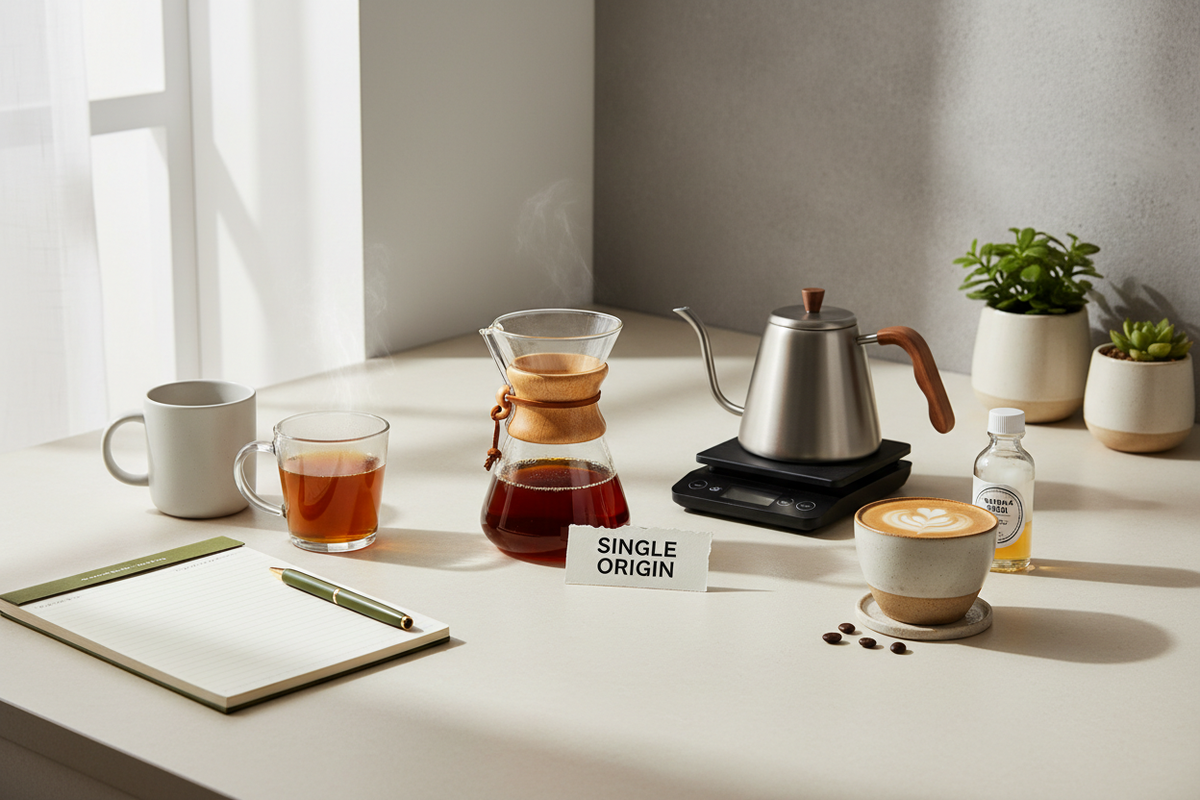
Beginner's guide to specialty coffee — a warm cup of freshly brewed coffee on a wooden table with coffee beans scattered nearby

Best Coffee for Beginners: Where to Start with Specialty Coffee

William Torres

Specialty coffee can feel intimidating at first. Single-origin, light roast, natural process, pour-over — the vocabulary alone is enough to send someone back to the grocery store shelf. But here's the truth: getting into specialty coffee doesn't require a barista certification or expensive equipment. It just requires a little guidance and a willingness to taste.

This guide is for anyone who wants to move beyond generic coffee and start exploring what great coffee actually tastes like.

What Is Specialty Coffee, Exactly?

Specialty coffee refers to coffee that scores 80 points or above on a 100-point scale set by the Specialty Coffee Association (SCA). These beans are grown in specific microclimates, harvested with care, and processed to highlight their natural flavors. The result is coffee with distinct, complex flavor notes — think fruit, chocolate, caramel, floral, or nutty — rather than the flat, generic taste of commodity coffee.

Specialty coffee is traceable. You know where it came from, how it was grown, and often who grew it. That transparency is part of what makes it special.

Start with What You Already Like

The best entry point into specialty coffee is your current taste preference. Ask yourself: do you like your coffee bold and rich, or smooth and mild? Do you take it black, or with milk and sugar?

  • If you like bold, rich coffee: Start with a medium-dark or dark roast. Our Early Bird Breakfast Blend or The Signature House Blend are approachable, well-balanced starting points.
  • If you like smooth, mild coffee: A light-medium roast is your friend. Try our Corner Table Donut Shop Blend — it's sweet, approachable, and crowd-pleasing.
  • If you drink coffee with milk or cream: Medium roasts hold up beautifully. Our Colombian Single Origin has a natural caramel sweetness that pairs perfectly with milk.
  • If you want to try something adventurous: An Ethiopian natural process coffee is one of the most eye-opening experiences in specialty coffee. Our Ethiopia Natural Single Origin has bright, fruity notes that taste unlike anything from a grocery store.

Roast Levels Explained Simply

Roast level is the single most important variable for beginners to understand. Here's a quick breakdown:

  • Light roast — Lighter in color, higher acidity, more complex and fruity flavors. The origin character of the bean shines through most clearly.
  • Medium roast — Balanced. Less acidity than light, more sweetness, approachable for most palates. The most popular starting point.
  • Dark roast — Bold, smoky, lower acidity. The roast character dominates over the bean's origin flavors. Rich and familiar.

Most beginners find medium roast the easiest entry point — it's balanced, versatile, and works well with any brewing method.

Single Origin vs. Blends: Which Should You Try First?

Blends are crafted by combining beans from multiple origins to create a consistent, balanced flavor profile. They're designed to taste great every time, regardless of seasonal variation. Great for everyday drinking.

Single-origin coffees come from one specific farm, region, or country. They're more expressive and unique — each origin has its own flavor signature. They're ideal for exploring what coffee can taste like when it's treated as an ingredient with terroir, like wine.

Our recommendation: start with a blend to get comfortable, then explore single origins once you're ready to taste the difference. Our Single Origin Favorites Sample Pack is a perfect way to taste several origins side by side.

You Don't Need Fancy Equipment

A common beginner mistake is thinking you need a $500 espresso machine to enjoy specialty coffee. You don't. Here's what actually matters:

  • Fresh beans — This is the biggest upgrade you can make. Freshly roasted beans from a specialty roaster will outperform any pre-ground grocery store coffee, regardless of your equipment.
  • A basic grinder — Grinding fresh makes a noticeable difference. Even an entry-level burr grinder is a worthwhile investment.
  • Any brewer you already own — A standard drip machine, a French press, or even a simple pour-over cone will produce excellent coffee with quality beans.

Start with great beans. Everything else is secondary.

Try a Sample Pack First

If you're not sure where to start, a sample pack is the lowest-risk, highest-reward way to explore. You get to taste multiple roast profiles and origins without committing to a full bag of something you might not love.

Our Best Sellers Coffee Sample Pack includes a curated selection of our most popular coffees — a great introduction to the Cozy Notes range. For flavored coffee fans, the Flavored Coffee Tasting Flight is a fun, approachable starting point.

How to Taste Coffee Like a Beginner (Without Overthinking It)

You don't need to identify 47 flavor notes to enjoy specialty coffee. Just pay attention to three things:

  • Aroma — What does it smell like before and after brewing? Fruity? Chocolatey? Nutty?
  • Flavor — What's the first thing you taste? What lingers after you swallow?
  • Body — Does it feel light and tea-like, or thick and heavy in your mouth?

That's it. The more you pay attention, the more you'll notice — and the more you'll enjoy the journey.

Your First Step

The best coffee for beginners is simply the one that makes you excited to brew a cup in the morning. Explore our full coffee collection, start with something approachable, and let your palate lead the way. Great coffee is a journey — and every cup is a step forward.

Back to blog

Leave a comment

Please note, comments need to be approved before they are published.