The Ultimate Guide to Perfectly Brewing French Roast Coffee
Cozy Notes TeamShare
Overview
This guide explores the art and science of brewing French roast coffee, covering essential factors like water quality, grind size, and brew temperature. It provides detailed steps for selecting beans, grinding, measuring, and various brewing techniques, along with tips for enhancing flavor and ensuring freshness. Understanding these elements will help coffee lovers craft the perfect cup and appreciate the nuances of their brew.
Table of Contents
- The Basics of Coffee Brewing
- The Coffee Brewing Process Explained
- 1. Selecting Quality Beans
- 2. Grinding the Coffee
- 3. Measuring Coffee and Water
- 4. Brewing Techniques
- Tips for Brewing the Best French Roast Coffee
- 1. Experiment with Ratios
- 2. Pay Attention to Time
- 3. Store Coffee Properly
- 4. Enhance with Additives
- The Science Behind Coffee Brewing
- Coffee Flavor Notes
- The Role of Acidity
- Brewing: An Art and a Science
- Take Your Coffee Journey Further
Key Takeaways
- Water Quality: Use filtered or spring water to enhance the flavor of your coffee.
- Grind Size: Match the grind size to your brewing method; coarser for French press and finer for espresso.
- Brewing Temperature: Aim for a temperature between 195°F to 205°F for optimal flavor extraction.
- Measuring Ratios: Follow the recommended coffee-to-water ratios for different brewing methods to achieve a balanced cup.
- Brewing Time: For French press, aim for a brew time of about 4 minutes to avoid over or under-extraction.
- Storage: Keep coffee beans in an airtight container in a cool, dark place to maintain freshness.
- Flavor Enhancers: Consider adding natural flavors like cinnamon or vanilla extract to enrich your French roast experience.
Coffee lovers know that the journey from bean to cup is an intricate one, packed with science, art, and a little bit of magic. Among various types of coffee, French roast coffee stands out for its distinct flavor profile and rich aroma. In this comprehensive guide, we’ll walk you through the coffee brewing process, complete with techniques and tips that are sure to enhance your brewing experience. Whether you're a novice or a seasoned barista, you’ll find valuable insights to elevate your coffee game.
The Basics of Coffee Brewing
To truly appreciate the nuances of brewing, it's essential to grasp the fundamentals of how coffee transforms from a humble bean into the fragrant beverage that warms our souls. Here are key factors that can influence the brewing process:
- Water Quality: Water is the primary ingredient in any coffee brew. Using filtered or spring water can significantly enhance flavor.
- Coffee Grind Size: The grind size should match your brewing method. Finer grinds work best for espresso, while coarser ones are preferable for French press.
- Brew Temperature: The ideal brewing temperature usually falls between 195°F to 205°F. Lower or higher temperatures can affect the extraction of flavors.
The Coffee Brewing Process Explained
The coffee brewing process involves several stages, each playing a crucial role in the flavor profile of your final cup. Here’s how it works:
1. Selecting Quality Beans
Before you even start brewing, the choice of beans is paramount. Look for high-quality, freshly roasted beans; French roast coffee is especially popular for its robust and bold flavor. Obtain whole beans if possible, as pre-ground coffee can lose its freshness quickly.
2. Grinding the Coffee
Grinding beans right before brewing maximizes freshness. For French press brewing, a coarse grind is recommended, while drip coffee makers work well with a medium grind. The grind size affects surface area, which in turn influences extraction time and flavor.
3. Measuring Coffee and Water
The coffee-to-water ratio is critical for a balanced cup. A standard guideline is:
| Coffee Type | Coffee (grams) | Water (milliliters) |
|---|---|---|
| Espresso | 18 | 36 |
| Drip Coffee | 15 | 250 |
| French Press | 30 | 500 |
4. Brewing Techniques
Now that you have your coffee ground and measured, it's time to brew! Below are several popular brewing methods:
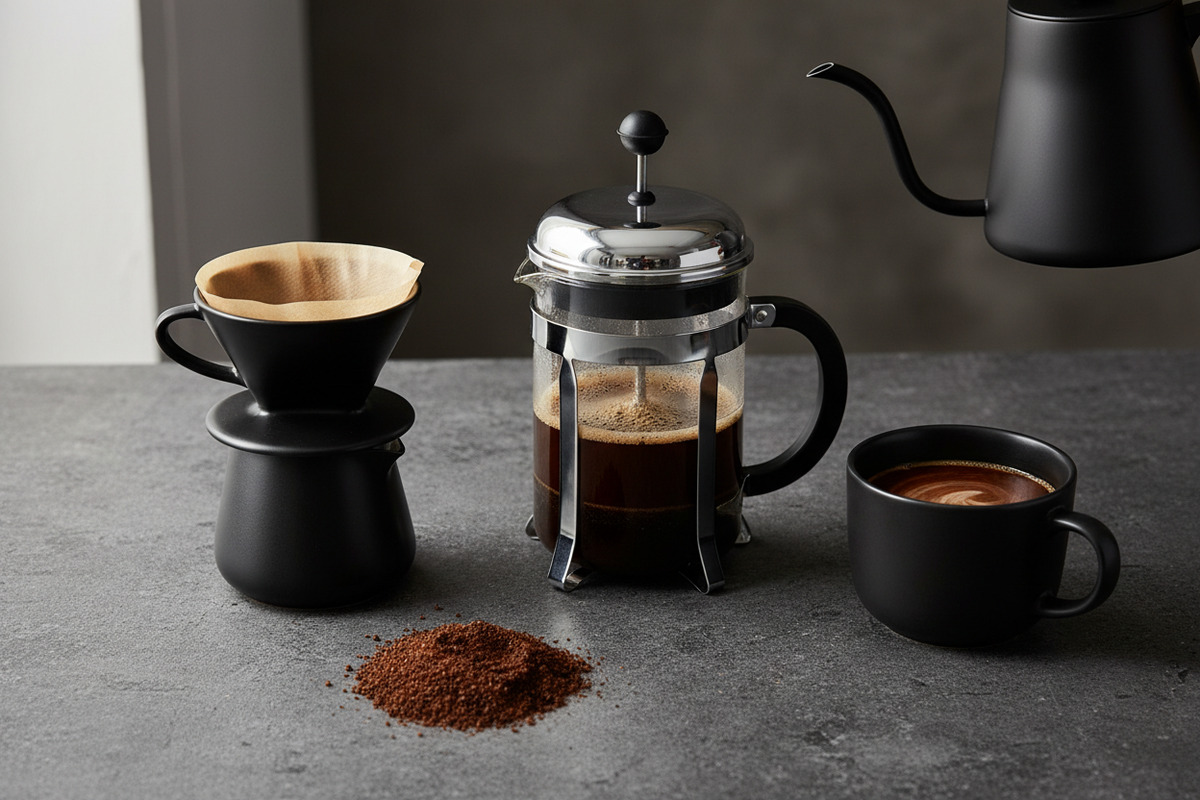
- French Press: Add coarsely ground coffee to the press. Pour hot water over it, let it steep for about four minutes, and then press down the plunger.
- Pour Over: Use a filter and add medium ground coffee. Slowly pour hot water in circular motions over the grounds to extract optimal flavor.
- Drip Brew: Place the coffee in a filter and allow the machine to cool the hot water and drip over the coffee grounds.
Tips for Brewing the Best French Roast Coffee
If you love the wonderful depth of flavor that French roast coffee can bring, here are some additional tips to maximize your brewing experience:
1. Experiment with Ratios
Each palate is unique, so feel free to adjust the coffee-to-water ratio according to your taste preferences. A stronger brew may require more coffee, while those who prefer a lighter cup can reduce the amount used.
2. Pay Attention to Time
Brewing time directly impacts flavor. A longer brewing time can lead to over-extraction, resulting in bitter flavors. Conversely, under-extraction can lead to a weak taste. For French press, aim for a brew time of about 4 minutes.
3. Store Coffee Properly
To retain freshness and flavor, store your beans in an airtight container, away from light and moisture. A cool, dark place is ideal for keeping those precious flavors intact.
4. Enhance with Additives
Add a twist to your French roast coffee experience by incorporating natural flavor enhancers. Some popular options include:
- Cinnamon: A sprinkle of cinnamon can enhance the rich flavors of the coffee.
- Vanilla Extract: A drop or two can add depth and warmth.
- Milk or Cream: For a rich, indulgent experience, add milk or cream to your brew.
The Science Behind Coffee Brewing
Understanding the scientific principles behind coffee brewing can deepen your appreciation for the beverage. The extraction process involves the dissolution of coffee solubles in water, leading to the development of various flavors and aromas. Factors such as grind size, brewing time, and temperature all influence the extraction rate and, subsequently, the taste of your coffee.
Coffee Flavor Notes
French roast coffee is known for its strong, smoky flavor and low acidity. Here's a brief breakdown of common flavor notes you may encounter:
- Chocolaty: Dark chocolate notes provide a rich backdrop that complements the boldness.
- Nuts: Many French roasts exhibit nutty undertones, enhancing the overall flavor complexity.
- Caramel: The roasting process can bring out sweet caramel notes, providing a pleasing contrast to the robust flavor.
The Role of Acidity
Acidity in coffee is often misunderstood. It's a critical factor that can either enhance or detract from flavor depending on the brewing method. While French roast coffee tends to have lower acidity, it still retains a pleasant brightness. Understanding how acidity works can help you choose the ideal beans and brewing methods to suit your taste.
Brewing: An Art and a Science
As you can see, brewing the perfect cup of coffee is both an art and a science. Every step of the process, from bean selection to brew time, contributes to the final product. By applying the techniques and tips outlined in this guide, you'll be on your way to mastering the art of brewing French roast coffee and enjoying a timeless beverage that has captivated people for centuries.
Take Your Coffee Journey Further
Ready to elevate your brewing skills? Explore various methods, experiment with different coffee beans, and become your own coffee connoisseur. In no time, you’ll be brewing the perfect cup of coffee that suits your taste and impresses your friends and family. Embrace the journey, indulge in the aromas, and remember that every cup is a story waiting to be told. Happy brewing!
Frequently Asked Questions
1. What is French roast coffee?
2. What are the key factors that influence coffee brewing?
3. What is the recommended coffee-to-water ratio for French press?
4. How should I store coffee beans to retain freshness?
5. What are some tips for enhancing the flavor of French roast coffee?
Glossary
| Term | Meaning |
|---|---|
| Coffee Grind Size | Refers to the coarseness or fineness of ground coffee, affecting extraction and flavor. |
| Brew Temperature | The optimal heat range for extracting flavors from coffee, typically 195°F to 205°F. |
| French Press | A brewing method using coarsely ground coffee steeped in hot water, then pressed through a mesh filter. |
| Extraction | The process of dissolving coffee solubles in water to create flavor and aroma. |
| Acidity | A flavor characteristic that can enhance or detract from the taste of coffee. |
| Flavor Notes | Distinct tastes and aromas identified in coffee, such as chocolaty or nutty. |
| Brewing Time | The duration coffee grounds are in contact with water, impacting strength and flavor. |
| Coffee-to-Water Ratio | The proportion of coffee grounds to water used, crucial for a balanced brew. |
| Natural Flavor Enhancers | Ingredients like cinnamon or vanilla added to coffee for enhanced flavor. |
Linked Product

The Parisian: Premium French Roast Coffee
The Parisian Premium French Roast Coffee offers a bold and rich flavor profile, featuring deep, smoky richness with notes of dark chocolate and charred oak. This dark roast is ideal for coffee enthusiasts who appreciate a full-bodied beverage, whether enjoyed black or with milk and cream. Available in various sizes and grind options, it is small-batch roasted to order, ensuring freshness with every purchase.
View Product