
Low-Acid Coffee: Taste, Measurements & Brewing
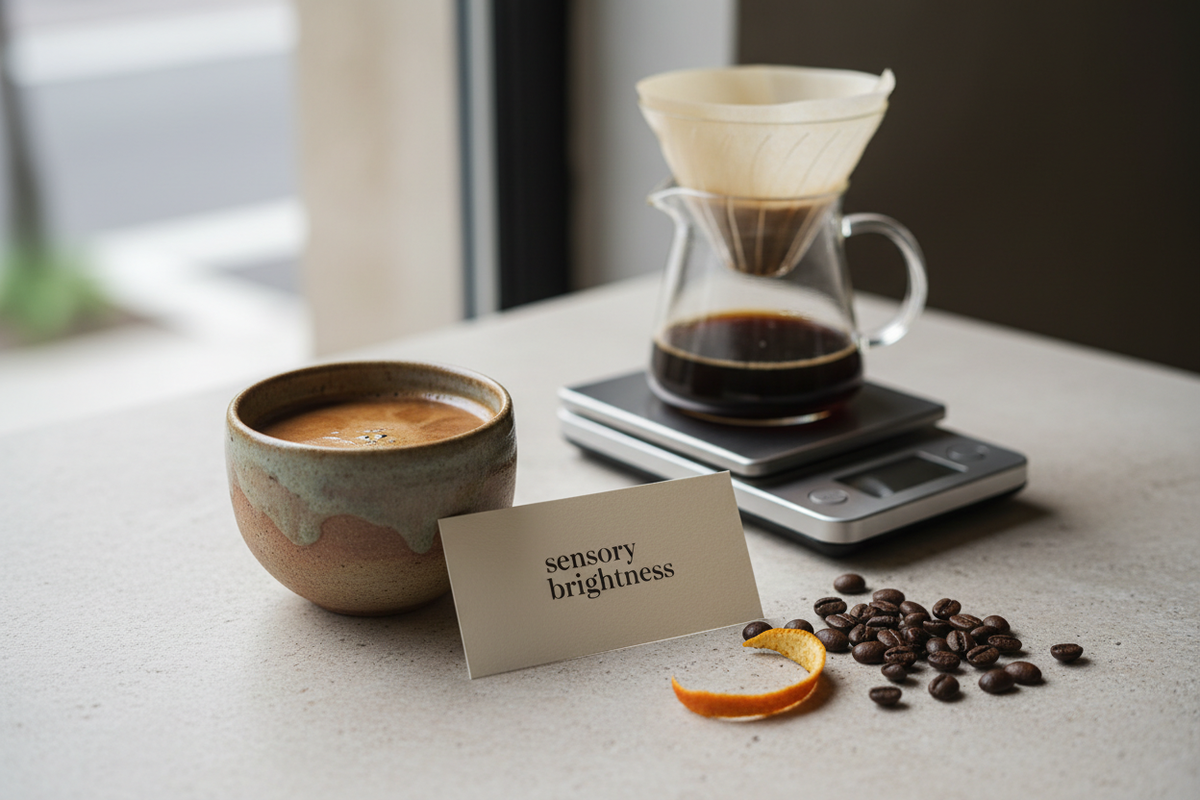
A smooth-tasting coffee is not the same as a laboratory-tested low-acid product. Separate sensory brightness from medical tolerance when choosing a cup.
Cozy Notes Coffee Co.
Updated
The Tasting Table / Coffee education
A smooth-tasting coffee is not the same as a laboratory-tested low-acid product. Separate sensory brightness from medical tolerance when choosing a cup.
In this article
Two different meanings of acidity
In tasting language, acidity can describe a lively, tart, or fruit-like impression. Chemical measurements such as pH describe something different. A coffee can taste rounded without that being proof of a particular measured acidity.
Do not infer a medical result
An origin, roast level, or brewing method does not guarantee that coffee will be comfortable for someone with reflux or another condition. Caffeine, serving size, additions, and individual factors may matter. If symptoms are the reason for your search, ask a healthcare professional for guidance.
Choose a flavor direction honestly
If you mean that you prefer less sensory brightness, look for a deeper or more chocolate-led profile. The Island is a medium-dark Bali coffee with chocolate, orange peel, juniper, and molasses notes. That description is a taste guide, not a low-acid certification.
Adjust the brew before changing the label

A sharp, thin cup can result from brewing that needs adjustment. Try a consistent recipe and change grind gradually. If you prefer cold brew, compare the final diluted serving rather than a concentrate with a normal filter cup.
Read a low-acid claim carefully
Ask what was measured, how it was measured, and whether the result applies to the brewed product and recipe. Without that information, a precise percentage reduction or a stomach-friendly promise gives more certainty than the evidence supports.
Keep a practical note
Record the coffee, dose, method, serving size, and additions. Use taste preferences to guide flavor choices, while leaving health decisions to appropriate advice. This guide does not identify a coffee as a treatment or as suitable for everyone with sensitivity.
0 comments